
John 17:1-5
Narrative Lectionary
1 After JesusI had spoken these words, he looked upII to heavenIII
I “Jesus” = Iesous. From Hebrew Yehoshua (Joshua, the Lord is salvation); {from YHVH (proper name of the God of Israel; the self-existent and eternal one); {from havah (to become) or from hayah (to come to pass, become, be)} + yasha (to deliver, defend, help, preserve, rescue; properly, to be open, wide or free, which implies being safe. So, in a causative sense, this is to free someone)}. This is Jesus or Joshua in Greek – the Lord saves or the Lord is salvation.
II “looked up” = epairo + ho + ophthalmos + autos. Literally, “lifted up his eyes.” Epairo is 19x in NT. From epi (on, upon, among, what is fitting) + airo (raise, take up, lift, remove). This is to lift up or raise in a literal or figurative sense. Figuratively, it could mean to exalt oneself. Ophthalmos is from optanomai (to appear, be seen by); from horao (become, seem, appear). This is eye or sight. It is used figuratively for the mind’s eye, a vision, or for envy.
III “heaven” = ouranos. Related to “looked up” in v1. May be related to oros (mountain, hill); probably related to airo (see note II above). This is the air, the sky, the atmosphere, and heaven. It is the sky that is visible and the spiritual heaven where God dwells. Heaven implies happiness, power, and eternity.
and said, “Father,IV the hourV has come;VI glorifyVII your SonVIII so that the Son may glorify you,
IV “Father” = Pater. This is father in a literal or figurative sense. Could be elder, senior, ancestor, originator, or patriarch.
V “hour” = hora. This is a set time or period, an hour, instant, or season. This is where the word “hour” comes from.
VI “come” = erchomai. This is to come or go.
VII “glorify” = doxazo. From doxa (glory, opinion, praise, honor, renown; particularly used as a quality of God or manifestation of God – splendor); from dokeo (to have an opinion, seem, appear, suppose; a personal judgment; to think); from dokos (opinion). This is to render or hold something as glorious, to glorify, honor, magnify, or celebrate. This is ascribing weight to something by recognizing its true value or essence.
VIII “Son” = Huios. This is son, descendant – a son whether natural born or adopted. It can be used figuratively for other forms of kinship.
2 since you have givenIX him authorityX over allXI people,XII
IX “given” = didomi. To give, offer, place, bestow, deliver. This is give in a literal or figurative sense.
X “authority” = exousia. From exesti (to be permitted or lawful); {from ek (out, out of) + eimi (to be, exist)}. This is power to act or weight. It especially denotes moral authority or influence. It can mean domain, liberty, freedom, capacity, mastery, right, force, or strength.
XI “all” = pas. This is all or every.
XII “people” = sarx. May be from saroo (to sweep, cleanse by sweeping); from sairo (to brush off). This is flesh, the body, human nature, materiality, kindred. Flesh is not always evil in scripture (as when it refers to Jesus taking on a human body). However, it is generally used in a negative way for actions made selfishly and not through faith. This can mean animal flesh, i.e. meat, or refer to body in contrast to soul/spirit. Flesh can be a way of talking about how things or people are related or talking about human frailty (physical or moral).
to give eternalXIII lifeXIV to all whom you have given him. 3 And this isXV eternal life, that they may knowXVI you, the onlyXVII
XIII “eternal” = aionios. From aion (an age, length of time); from the same as aei (ever, always, unceasingly, perpetually; on every occasion). This is age-long, forever, everlasting. Properly, that which lasts for an age. This is where eon comes from.
XIV “life” = zoe. From zao (to live, be alive). This is life including the vitality of humans, plants, and animals – it is life physical and spiritual and life everlasting.
XV “is” = eimi. Related to “authority” in v2. See note X above.
XVI “know” = ginosko. This is to know, recognize, realize, perceive, learn. It is knowledge gained through personal experience.
XVII “only” = monos. Perhaps from meno (to stay, abide, wait, endure). This is alone, single, remaining, mere, desolate.
trueXVIII God,XIX and Jesus Christ,XX whom you have sent.XXI
XVIII “true” = alethinos. From alethes (true, unconcealed; true because it is in concert with fact and reality – attested; literally, what cannot be hidden; truth stands up to the test and scrutiny and is undeniable, authentic); {from a (not) + lanthano (concealed, hidden, unnoticed; to shut one’s eyes to, unwittingly, unawares)}. This is literally made of truth – that which is true or real, authentic. Something that is true from its source and has integrity.
XIX “God” = Theos. From Proto-Indo-European origins, meaning do, put, place. This is God or a god in general.
XX “Christ” = Christos. From chrio (consecrate by anointing with oil; often done for prophets, priests, or kings). Literally, the anointed one, Christ. The Greek word for Messiah.
XXI “sent” = apostello. From apo (from, away from) + stello (to send, set, arrange, prepare, gather up); {probably from histemi (to make to stand, stand, place, set up, establish, appoint, stand firm, be steadfast)}. This is to send forth, send away, dismiss, send as a messenger. It implies one that is sent for a particular mission or purpose rather than a quick errand. This is where “apostle” comes from.
4 I glorified you on earthXXII by finishingXXIII the workXXIV that you gave me to do.XXV
XXII “earth” = ge. This is earth, land, soil, region, country, the inhabitants of an area.
XXIII “finishing” = teleioo. From teleios (going through the steps to complete a stage or phase and then moving on to the next one; reaching an end and so being complete or “perfect”; also full grown or mature); from telos (an end, aim, purpose, completion, end goal, consummation, tax). This is finish, accomplish, bring to an end, complete, reach a goal, finish a race, to consummate. It refers to completing stages or phases to get to an ultimate conclusion. It can also mean consecrate or fulfill.
XXIV “work” = ergon. From ergo (to work, accomplish, do). This is work, task, deed, labor, effort.
XXV “do” = poieo. This is to make, do, act, construct, abide, or cause.
5 So now, Father, glorify me in your own presence with the gloryXXVI that I hadXXVII in your presence before the worldXXVIII existed.XXIX
XXVI “glory” = doxa. Related to “glorify” in v1. See note VII above.
XXVII “had” = echo. This is have, hold, possess.
XXVIII “world” = kosmos. Perhaps from the base of komizo (to carry, convey, recover); from komeo (to take care of). This is order, the world, the universe, including its inhabitants. Literally, this is something that is ordered so it can refer to all creation. It can also refer to decoration in the sense that something is better ordered and, thus, made more beautiful. This is where “cosmos” and “cosmetics” come from.
XXIX “existed” = eimi. Same as “is” in v3. See note XV above.
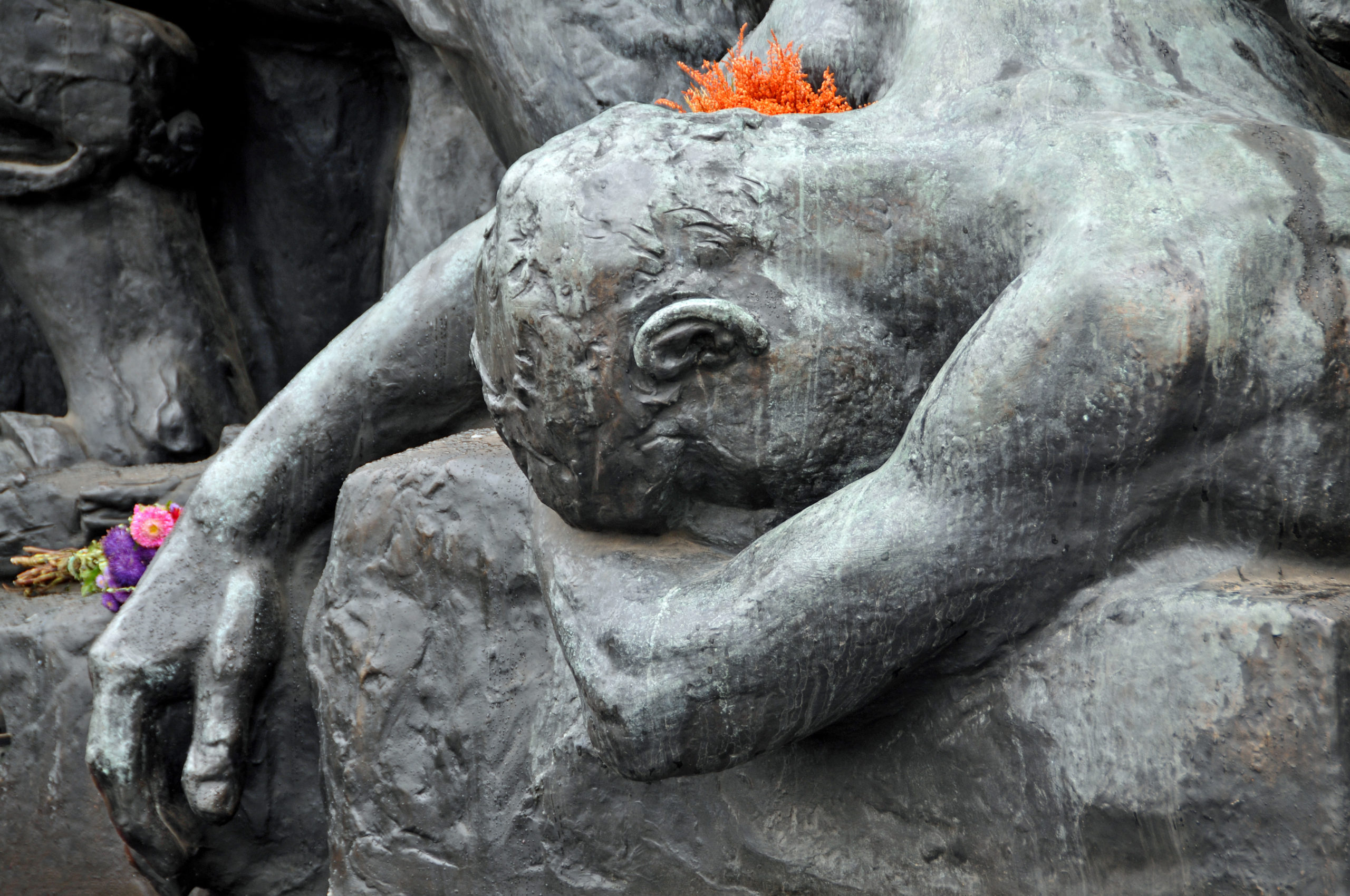
Image credit: “Poland_4122 Tolerance” by Dennis Jarvis, 2009.
