
Wisdom of Solomon 12:13, 16-19
Proper 11A
Interlinear: https://biblebento.com/index.html?lxx1i&270.12.1
13 For neither isA there any godB besidesC you whose careD is for allE people,
A “is” = eimi. This is to be, exist.
B “god” = theos. From Proto-Indo-European origins, meaning do, put, place. This is God or a god in general.
C “besides” = plen. From pleion (many, more, great, having a greater value, more excellent); from polus (much, many, abundant). This is yet, nevertheless.
D “care” = melo. 10x in NT. This is to think about something, take an interest, to pay attention. It is to care or worry about something.
E “all” = pas. This is all, every.
to whom you should proveF that you have not judgedG unjustly,H
F “prove” = deiknumi. This is to show in a literal or figurative sense so it can be to teach, bring, or point out.
G “judged” = krino. To judge, decide, think good, condemn, determine, pass judgment, stand trial, sue. This is judging whether it is done in court or in a private setting. Properly, it refers to mentally separating or distinguishing an issue – to come to a choice or decision, to judge positively or negatively in seeking what is right or wrong, who is innocent or guilty. It can imply trying, condemning, punishing, or avenging.
H “unjustly” = adikos. Related to “prove” in v13. 1x in NT – 1 Peter 2:19. From adikos (unjust, unrighteous, wicked, treacherous); {from a (not, without) + dike (the principle of justice; that which is right in a way that is very clear; a decision or the execution of that decision; originally, this word was for custom or usage; evolved to include the process of law, judicial hearing, execution of sentence, penalty, and even vengeance; more commonly, it refers to what is right); may be from deiknumi (see note F above)}}. This is unjustly or undeservedly.
16 For your strengthI is the sourceJ of righteousness,K
I “strength” = ischus. 10x in NT. Perhaps from is (force) + echo (to have, hold, possess). This is strength, might, power, force, or ability. It is power that engages immediate resistance.
J “source” = arche. From archomai (to begin or rule); from archo (to rule, begin, have first rank or have political power). Properly, this is what is first. In a temporal sense, that is beginning or origin. It can also refer to the one who ranks first, i.e. king or ruler. So, it can also be magistrate, power, or principality. It can be used more generally for what is preeminent.
K “righteousness” = dikaiosune. Related to “prove” and “unjustly” in v13. From dikaios (correct, righteous – implies innocent; this is that which conforms to God’s notion of justice, uprightness); from dike (see note H above). This is judicial or divine approval of character or action. This is righteousness, justice, justness, divine righteousness.
and your sovereigntyL over all causesM you to spareN all.
L “sovereignty” = despozo. From despotes (lord, master, despot; authority who has unrestricted power and jurisdiction); perhaps from deo (to tie, bind, compel; declare unlawful). This is to be lord or dominant over. See https://lsj.gr/wiki/%CE%B4%CE%B5%CF%83%CF%80%CF%8C%CE%B6%CF%89
M “causes” = poieo. This is to make, do, act, construct, abide, or cause.
N “spare” = pheidomai. 10x in NT. This is to spare, refrain, or to treat with leniency.
17 For you showO your strength when people doubtP the completenessQ of your power,R
O “show” = endeiknumi. Related to “prove” and “unjustly” in v13 & “righteousness” in v16. 11x in NT. From en (in, on, at, by, with, among) + deiknumi (see note F above). This is to prove, demonstrate, show by word or deed.
P “doubt” = apisteo. 8x in NT. From apistos (unbelieving, incredulous, faithless; someone who rejects faith); {from a (not, without) + pistos (faithful, trustworthy, reliable, sure, or true; a fullness of faith); {from peitho (to have confidence, urge, be persuaded, agree, assure, believe, have confidence, trust)}}. This is to intentionally disbelieve, prove false. It can be one who has never believed or a believer who goes astray.
Q “completeness” = teleiotes. 2x in NT. From teleios (going through the steps to complete a stage or phase and then moving on to the next one; reaching an end and so being complete or “perfect”; also full grown or mature); from telos (an end, aim, purpose, completion, end goal, consummation, tax). This is perfection or unity. It is built upon a previous stage as a consummation of that time and beginning another one. It can evoke truth or spiritual growth. It can be understood in a mental or ethical sense, too.
R “power” = dunamis. From dunamai (to be able, have power or ability). This is might, strength, physical power, efficacy, energy, and miraculous power. It is force literally or figuratively – the power of a miracle or the miracle itself.
and you rebukeS any insolenceT among those who knowU it.
S “rebuke” = exelegcho. From ek (from, from out of) + elegcho (to expose, reprove, discipline, convict, or rebuke; using convincing evidence to expose a wrong). This is to expose, reprove, or punish.
T “insolence” = thrasos. Akin to tharsos (courage, confidence, boldness); from thrasus (bold, daring). This is courage or boldness. In a negative sense, it is rashness, audacity, or impudence. See https://atlas.perseus.tufts.edu/dictionaries/entry/urn:cite2:scaife-viewer:dictionary-entries.atlas_v1:middle-liddell.perseus-eng2-n15382/
U “know” = eido. This is to know, consider perceive, appreciate, behold, or remember. It means seeing with one’s eyes, but also figuratively, it means perceiving – seeing that becomes understanding. So, by implication, this means knowing or being aware.
18 Although you are sovereignV in strength, you judge fairly,W
and with greatX forbearanceY you governZ us,
V “sovereign” = despozo. Same as “sovereignty” in v16. See note L above.
W “fairly” = epieikeia. 2x in NT. From epieikes (yielding, gentle, reasonable, moderate, patient, equitable, forbearing); {from epi (on, upon, against, what is fitting) + eoika (to be like); {related to eiko (be like, resemble); perhaps akin to eiko (to be weak, submit, yield, give way)}}. This is graciousness, gentleness, kindness, equity.
X “great” = polus. Related to “besides” in v13. See note C above.
Y “forbearance” = pheidomai. Same as “spare” in v16. See note N above.
Z “govern” = dioikeo. From dia (through, for the sake of, across, thoroughly) + oikeo (to settle or be established somewhere in a permanent way, to make a home or live at home); {from oikos (house – the building, the household, the family, descendants; the temple)}. This is to administer, provide, manage, inhabit. See https://en.wiktionary.org/wiki/%CE%B4%CE%B9%CE%BF%CE%B9%CE%BA%CE%AD%CF%89
forAA you have power to actBB whenever you choose.CC
AA {untranslated} = pareimi. Related to “is” in v13. From para (beside, by, in the presence of) + eimi (see note A above). This is to be near, to be there, to come.
BB “have power to act” = dunamai. Related to “power” in v17. See note R above.
CC “choose” = thelo. This is to wish, desire, will, or intend. It is to choose or prefer in a literal or figurative sense. It can also mean inclined toward or take delight in. It can have a sense of being ready to act on the impulse in question.
19 Through suchDD worksEE you have taughtFF your peopleGG
DD “such” = toioutos. From toios (such) + houtos (this, they, that, third person pronoun); {probably from ho (the) + autos (he, she, self, they, same)}. This is of this kind, such, like. It could refer to one’s character or individuality.
EE “works” = ergon. From ergo (to work, accomplish, do). This is work, task, deed, labor, effort.
FF “taught” = didasko. From dao (learn). This is to teach, direct, instruct, or impart knowledge. In the New Testament, this is almost always used for teaching scripture.
GG “people” = laos. This is the people or crowd – often used for the chosen people. This is where the word “laity” comes from.
that the righteousHH mustII be kind,JJ
HH “righteous” = dikaios. Related to “prove” and “unjustly” in v13 & “righteousness” in v16 & “show” in v17 See note K above.
II “must” = dei. Related to “sovereignty” in v16. From deo (see note L above). This is what is necessary or proper. It is what is needed or what one should do – a duty or something inevitable. This refers to something absolutely necessary.
JJ “kind” = philanthropos. 1x in NT – Acts 27:3. From philanthropoia (love for humanity, benevolence, philanthropy); {from the same as philanthropos (humanly, kindly, courteous); {from philos (dear, beloved, a friend, an associate; friendship with personal affection, a trusted confidante; love from personal experience with another person) + anthropos (human, humankind; used for all genders); {probably from aner (man, male, husband) + ops (eye, face); {from optanomai (to appear, be seen); perhaps from horao (become, seem, appear)}}}}. This is friendly, humanely, kindly, philanthropically. It is consideration as a friend shows.
and you have filledKK your childrenLL with good hope,MM
KK “filled” = poieo. Same as “causes” in v16. See note M above.
LL “children” = huios. This is son, descendant – a son whether natural born or adopted. It can be used figuratively for other forms of kinship.
MM “with a good hope” = euelpis. From eu (good, well, well done) + elpis (expectation, hope, trust, confidence, faith; expectation whether abstract or concrete); {from elpo (to anticipate, welcome, expect; usually to anticipate positively); from elpomai (to anticipate, expect)}. This is hopeful, promising, or encouraging. See https://en.wiktionary.org/wiki/%CE%B5%E1%BD%94%CE%B5%CE%BB%CF%80%CE%B9%CF%82
because you giveNN repentanceOO for sins.PP
NN “give” = didomi. To give, offer, place, bestow, deliver. This is give in a literal or figurative sense.
OO “repentance” = metanoia. From meta (with, among, after, beyond) + noieo (to perceive, think, understand); {from nous (mind, understanding, reasoning faculty, intellect, capacity to reflect)}. This is literally to change one’s mind – to choose to think differently and so to act differently because of a moral compunction. It is an intentional change to the inner self. This word shares a root with the English “paranoia.”
PP “sins” = hamartema. 4x in NT. From hamartano (to miss the mark, do wrong, make a mistake, sin); {from a (not) + meros (a part or share)}. This is sin, evil deed – the pain that results from sin.
Note: I was not able to use my regular website for this scripture passage so I am slightly less confident of its accuracy. However, the site I used is noted above.
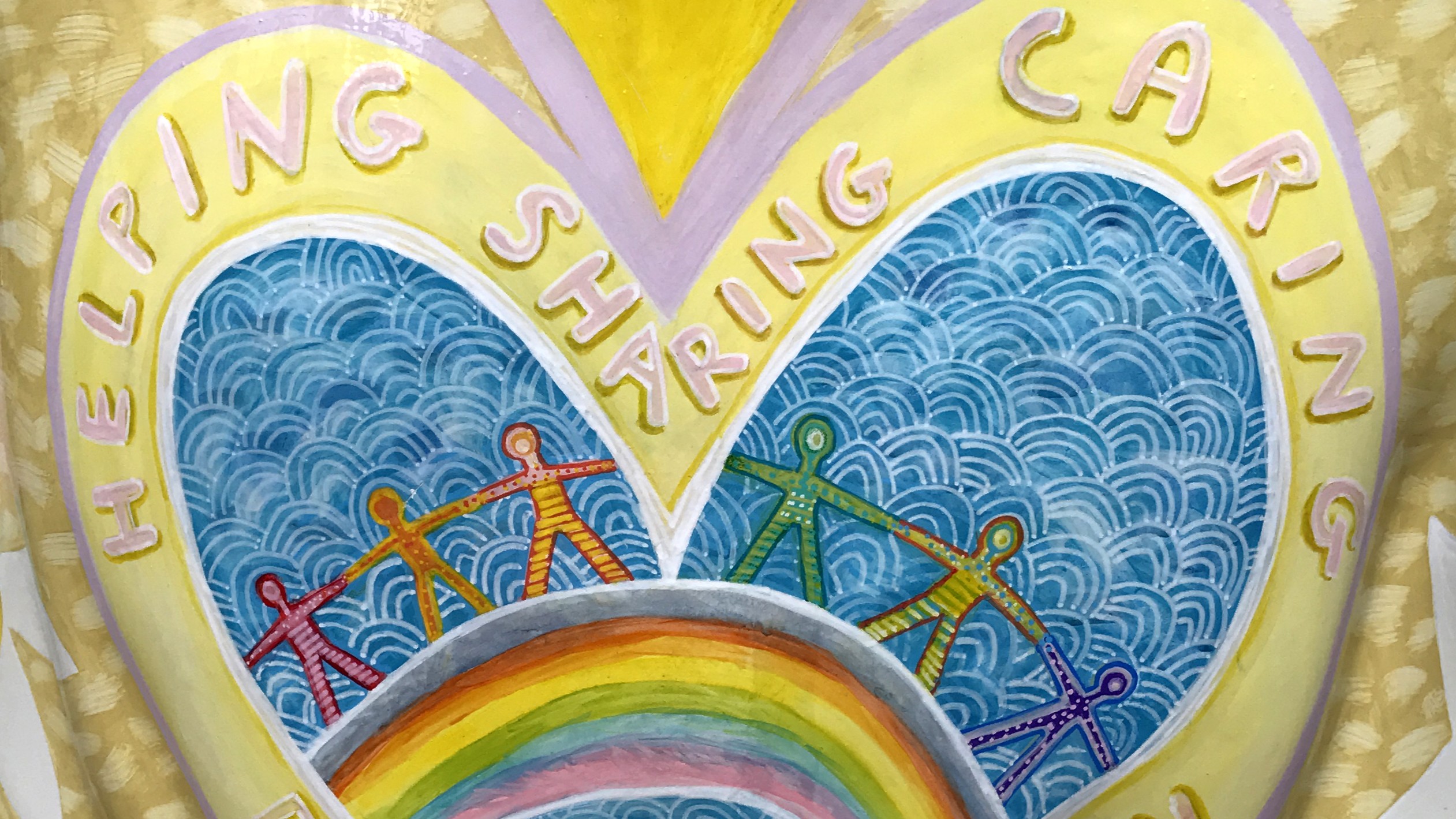
Image credit: “The Big Sleuth Trail 2017 – 18. PODdington” by Karen Roe, 2017.
