
John 14:1-4
Narrative Lectionary

BibleHub

“Do not let your heartsI be troubled.II BelieveIII in God;IV believe also in me. 

Notes on verse 1

I “hearts” = kardia. Literally the heart, but figuratively mind, character, inner self, will, intention, thoughts, feelings. Also, the center of something. The word heart is only used figuratively in the Old and New Testaments. This is where “cardiac” comes from.
II “troubled” = tarasso. 18x in NT. This is trouble, agitate, stir up. It is motion back and forth, creating inner turmoil or confusion, roiling water.
III “believe” = pisteuo. From pistis (faith, faithfulness, belief, trust, confidence; to be persuaded or come to trust); from peitho (to have confidence, urge, be persuaded, agree, assure, believe, have confidence, trust). This is to believe, entrust, have faith it, affirm, have confidence in. This is less to do with a series of beliefs or doctrines that one believes and more to do with faithfulness, loyalty, and fidelity. It is trusting and then acting based on that trust.
IV “God” = Theos. From Proto-Indo-European origins, meaning do, put, place. This is God or a god in general.

In my Father’sV houseVI there are manyVII dwelling places.VIII

Notes on verse 2a

V “Father’s” = Pater. This is father in a literal or figurative sense. Could be elder, senior, ancestor, originator, or patriarch.
VI “house” = oikia. From oikos (house – the building, the household, the family, descendants; the temple). This is a house, household, goods, property, family, or means.
VII “many” = polus. This is much, often, plenteous – a large number or a great extent.
VIII “dwelling places” = mone. 2x in NT. From meno (to stay, remain, wait, await, continue, abide, endure; to literally stay in a place or to remain in a condition; to continue with hope and expectation). This is an abode, lodging, or residence. It is the act of abiding or the place in which one abides.

If it were not so, would I have told you that I goIX to prepareX a placeXI for you? 

Notes on verse 2b

IX “go” = poreuomai. From poros (ford, passageway). This is to go, travel, journey, or die. It refers to transporting things from one place to another and focuses on the personal significance of the destination.
X “prepare” = hetoimazo. From hetoimos (make ready, be ready because of being prepared, standing by, adjusted; ready to meet some opportunity or challenge). This is to prepare or provide.
XI “place” = topos. This is a place or region. It is a smaller space that can only hold a limited number of people whereas chora is a larger place. Figuratively it could be an opportunity.

And if I go and prepare a place for you, I will comeXII again and will takeXIII you to myself, so that where I am, there you may be also. And you knowXIV the wayXV to the place where I am going.”XVI 

Notes on verses 3-4

XII “come” = erchomai. This is to come or go.
XIII “take” = paralambano. From para (beside, by, in the presence of) + lambano (active acceptance/taking of what is available or what has been offered; emphasizes the choice and action of the individual). This is to receive, take, acknowledge, associate with. It can also mean to take on an office or to learn.
XIV “know” = eido. This is to know, consider perceive, appreciate, behold, or remember. It means seeing with one’s eyes, but also figuratively, it means perceiving – seeing that becomes understanding. So, by implication, this means knowing or being aware.
XV “way” = hodos. This is way, road, path, or journey. It can imply progress along a route.
XVI “going” = hupago. From hupo (by, under, under the authority of) + ago (lead, bring, guide, spend, drive, carry). This is to lead under so to depart, go away, or die. It is to lead away under the command of someone else, being given a mission or objective to carry out.


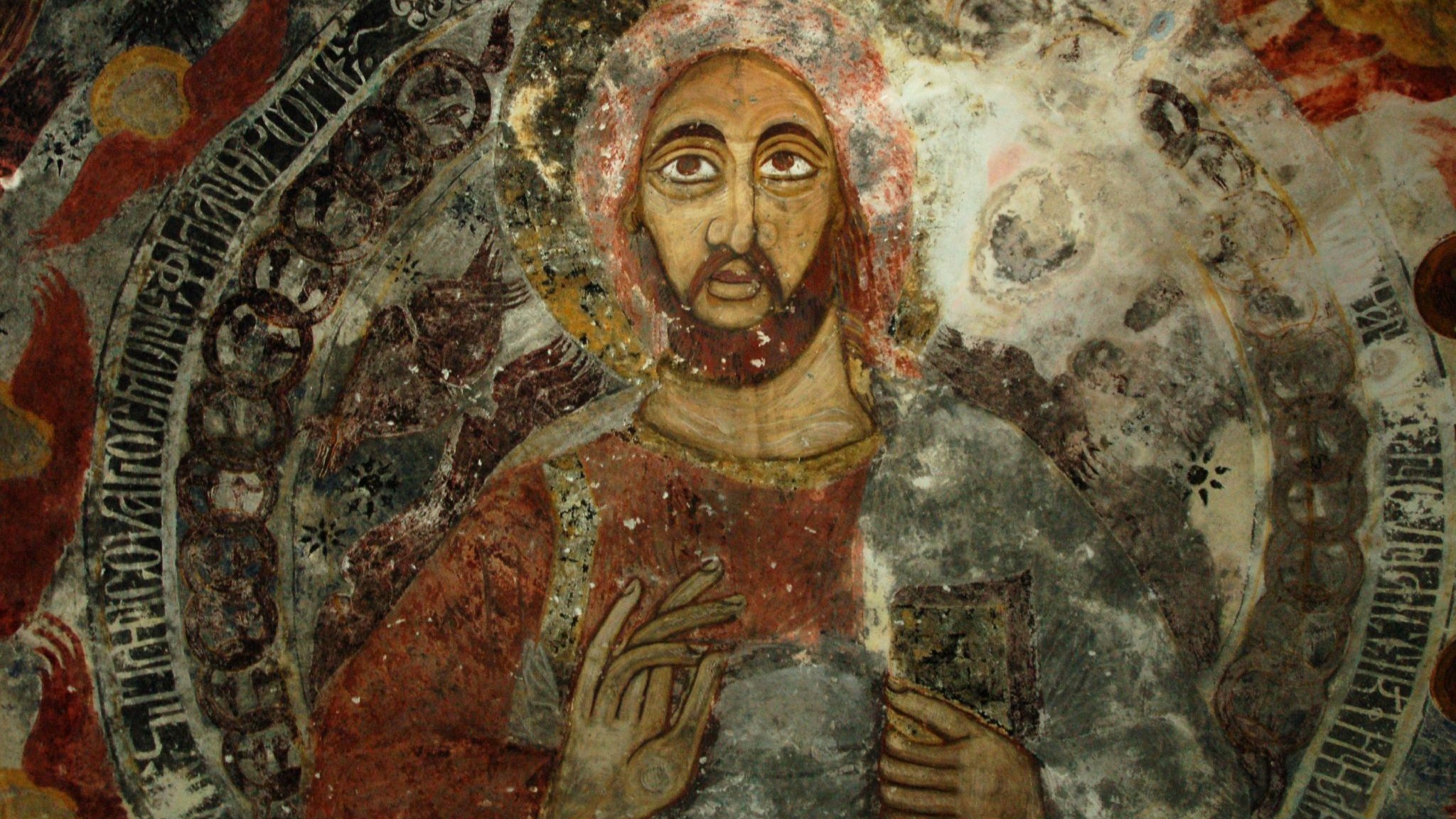
Image credit: Jesus at the Sumela Monastery in Turkey. Photo by Vladimer Shioshvili, 2006.